
We’ve spent multiple years on the front lines of Florida pest control, and if there’s one thing we’ve learned is this: never underestimate ants. These tiny insects might seem like a minor inconvenience at first glance, but in our Florida environment with its humid weather, dense landscaping, and long warm seasons, they’re a persistent, adaptable, and often underestimated enemy. Whether you’re a homeowner in Lakewood Ranch or a commercial property owner in Sarasota, understanding how ants operate and how to stop them is essential to protecting your property.
Ant control is more than a job—it’s a strategic operation. Whether there are ghost ants sneaking into your kitchen or fire ants taking over your lawn, every species requires a different approach. That’s why we’ve put together this ultimate guide to ant control in Florida homes and businesses. We’ll break down the most common ant species you’ll encounter, explain the damage they can cause, and help you determine whether a DIY solution is enough—or if it’s time to call in the pros.
In Florida, ant infestations aren’t seasonal—they’re constant. If you’re not prepared, you could be facing more than just a trail of ants across your countertop. Let’s take a tactical look at what you’re up against.
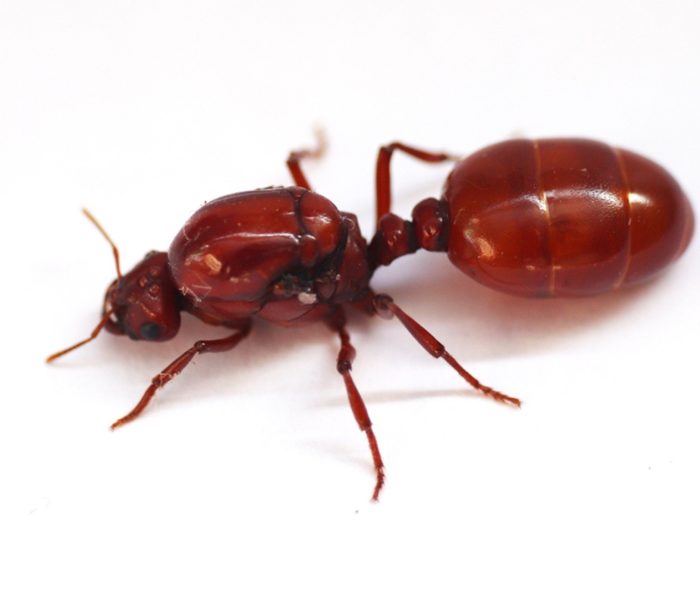
Know Your Enemy: Common Ant Species in Florida
Florida is home to over 200 species of ants, but only a handful are responsible for the majority of infestations in residential and commercial properties.
Each species of ants behaves differently and nests in unique environments, and requires its own control strategy.

DIY vs. Professional Ant Control: What Actually Works?
Walk into any home improvement store and you’ll find shelves full of ant baits, sprays, and powders. And while these might offer temporary relief, most DIY methods only treat the visible symptoms, not the underlying colony.
Here’s the truth: killing a few scout ants on your kitchen counter won’t stop the infestation. In fact, some ant species like pharaoh ants will split their colony when under threat, making the problem worse. And while bait stations can work in some cases, they need to be species-specific, correctly placed, and monitored over time.
Professional pest control brings a more strategic approach. At All American Pest Services, we start with a detailed inspection to identify the ant species, locate nesting sites, and evaluate how the infestation is spreading. From there, we tailor a treatment plan using products and techniques that target the specific behavior of the invading ants.
For ghost ants, that may mean using non-repellent baits combined with perimeter treatments that ants don’t detect—allowing them to carry the product back to the colony. For carpenter ants, we may need to drill into wall voids or attic beams to apply targeted dusts or foams. Pharaoh ant control requires a careful baiting program and strict sanitation protocols. Fire ant control often includes granular bait across your lawn and direct mound treatments to destroy queens.
What separates professional ant control from DIY solutions is precision, persistence, and prevention. We don’t just treat the ants you see—we go after the colony, cut off reproduction, and create long-term barriers that keep new infestations from taking hold.
Prevention Strategies: How to Keep Ants Out of Your Property
Just like in any tactical operation, the best offense is a strong defense. Preventing ant infestations in Florida requires a mix of proactive maintenance and consistent monitoring.
Start by sealing entry points. Ants can slip through gaps as small as a credit card’s edge, so inspect around doors, windows, pipes, and utility lines. Use silicone caulk or weatherstripping to seal cracks and crevices.
Maintain a clean environment by wiping down kitchen surfaces regularly, store food in airtight containers, and empty trash frequently. Even a single sticky spill can draw an army of ants overnight—especially ghost ants, which are extremely sugar-sensitive.
Keep your yard trimmed and tidy. Fire ants love overgrown lawns and cluttered gardens. Remove leaf litter, keep grass short, and don’t let tree limbs touch your roofline as ants use these bridges to enter your home.
For commercial properties, regular pest control service is a must. Restaurants, offices, and apartment complexes are more prone to infestations due to shared walls, constant foot traffic, and a higher number of food sources. We recommend quarterly service plans that include monitoring, barrier treatments, and ongoing inspection.
If you’re a landlord or manage rental properties in Bradenton or Sarasota, it’s especially important to schedule regular pest inspections. Tenants might not notice or report early signs of infestation, allowing colonies to spread unnoticed. A preventative approach not only protects your investment but also keeps your tenants happy and safe.
Why Florida Makes Ant Control So Challenging
Florida’s climate is paradise for ants. Our long summers, high humidity, and lush vegetation allow colonies to grow quickly and recover rapidly after treatment. Even during the “cooler” months, ant activity doesn’t stop completely.
In coastal cities like Sarasota and Bradenton, the risks are amplified. Older homes with wood siding, decorative trim, and shaded yards provide perfect conditions for nesting. Combine that with irrigation systems, mulch beds, and heavy rains, and you have a recipe for chronic ant infestations.
Many DIY treatments that work in other states simply aren’t strong enough in Florida. That’s why local expertise matters. At All American Pest Services, we don’t just bring general pest control knowledge—we bring Florida-specific experience. We know how ants behave in this environment, what products work, and how to create long-term control strategies for homes and businesses along the Gulf Coast.

FAQ: Florida Ant Control
Ghost ants require a combination of non-repellent bait and precise placement. Simply spraying them with an over-the-counter insecticide will scatter the colony and make it harder to control. A pest control professional will identify their nesting sites and use baits they’ll carry back to the colony, ensuring full elimination.
Carpenter ants are large, usually black or reddish, and they don’t eat wood, they tunnel through it. Look for small piles of sawdust-like debris near baseboards or window frames. Termites, by contrast, leave behind mud tubes and are rarely seen. A professional inspection can quickly determine which pest you’re dealing with.
Fire ants sting multiple times and swarm aggressively when their mound is disturbed. The venom can cause allergic reactions, particularly in sensitive individuals, children, or small pets. Mound treatments and lawn-wide baiting are necessary to keep them under control in high-traffic outdoor areas.
In Florida’s climate, ant control is rarely a one-and-done deal. Recurring service ensures long-term protection that includes monitoring for new colonies, and adjusts treatment based on seasonal changes. It’s especially important for commercial properties, rental homes, and older houses with repeat infestations.